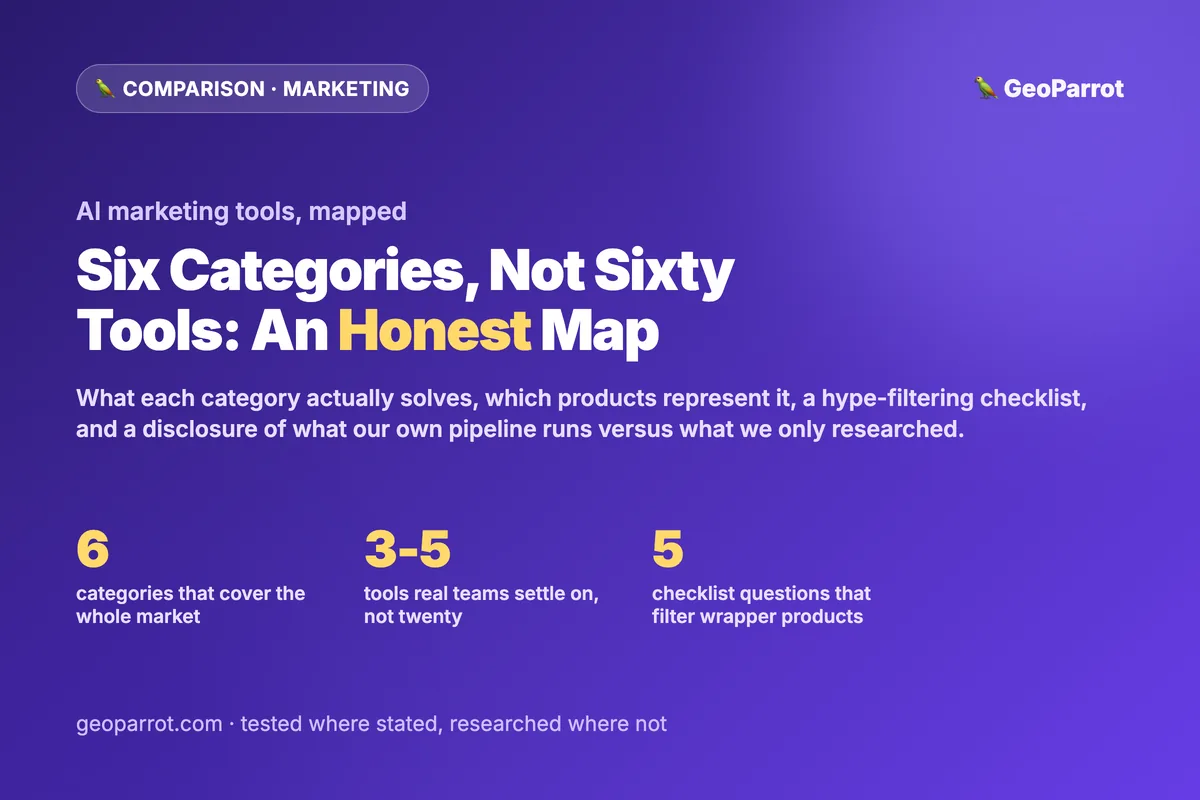
Quick answer: AI marketing tools cluster into six categories: general assistants, content and copy platforms, SEO and GEO tools, creative generation, channel-native AI, and workflow automation. Most teams need one tool from three or four categories, not twenty tools. Below: the map, representative products, and a disclosure of which ones we run ourselves.
A disclosure most comparison posts skip
Nearly every best AI tools article is written by someone who opened twenty free trials for an afternoon, or never opened them at all. We would rather be narrow and honest: this site runs on an AI-assisted pipeline daily, so for some tools below we have months of production experience, and for others we have research, documentation review, and published user reports only. Each table marks which is which. Pricing changes constantly in this market, so we list rough tiers and recommend checking current pages before deciding anything.
The six categories
Category
What it solves
Representative tools
Our experience
General AI assistants
Drafting, research, analysis, coding, everything at 80%
ChatGPT, Claude, Gemini
Daily production use
Content/copy platforms
Brand voice, templates, team workflows on top of the same models
HubSpot Breeze, Klaviyo AI, Meta Advantage+, Google PMax
Production use (ad platforms); CRM AI researched
Workflow automation
Chaining all of the above into pipelines
n8n, Zapier, Make, custom agent scripts
Daily production use (n8n, custom agents)
The uncomfortable economics of category two
Content platforms like Jasper (roughly $40 to 50 per seat monthly) and Copy.ai (free tier, then roughly $30 and up) sit on top of the same foundation models you can use directly for less. What you are actually buying is the layer around the model: brand voice training, approval workflows, template libraries, team permissions. For a solo marketer, that layer is usually worth less than the subscription; a general assistant plus a good prompt document covers most of it. For a ten-person content team with compliance review, the workflow layer is legitimately the product. Decide based on how many people touch a draft before it ships, not on output quality claims; the underlying models converge.
Where the category lines are moving in 2026
SEO tools are becoming GEO tools. Surfer, Semrush and the rest keep adding AI-visibility modules that track whether ChatGPT, Perplexity, and AI Overviews cite you. The measurement problem is genuinely new, and it is the fastest-moving corner of the market (it is also the one this site runs experiments on weekly).
Channel-native AI is eating point tools. HubSpot’s Breeze assistant ships free on every tier including the free CRM; Klaviyo’s AI runs inside send-time and segmentation decisions. An embedded assistant with access to your actual customer data beats a smarter model with no context for most routine tasks.
Video generation became usable, with caveats. Veo, Kling, and Runway produce ad-grade short clips now; consistency across shots and brand control remain the weak points. Budget real review time per output, not per project.
Agents are the new pitch, pipelines are the reality. Vendors sell autonomous marketing agents; what works in production, in our direct experience, is narrower: scripted pipelines with AI steps and human gates. Our AI content workflow documents the failure modes that pushed us there.
An evaluation checklist that filters the hype
Does it have data or context you cannot paste into a general assistant? (CRM records, SERP data, your ad accounts.) If no, the general assistant probably wins on price.
Can you export everything if you leave? Brand voice models, templates, and histories are the lock-in.
Does the vendor publish what model it runs on? Wrapper products on last year’s model at a premium price are common.
Is there a trial long enough to run one real campaign through it? A week of demo data tells you nothing about the workflow fit.
What is the honest per-month cost at your real seat count? Per-seat AI pricing compounds faster than teams expect; put the total into a marketing ROI calculation next to the hours it saves.
What is the difference between AI marketing tools and a general assistant like ChatGPT?
Specialized tools add one of three things on top of the model: your data (CRM, analytics), domain data (SERPs, ad libraries), or team workflow (approvals, brand voice). If a tool adds none of those for your use case, you are paying a markup on a model you could use directly.
How many AI tools does a marketing team actually need?
In published stack surveys and our own experience, settled teams converge on three to five: one general assistant, one or two category tools matched to their main channel, and one automation layer. Tool count above that usually signals trials that never got cancelled.
Are free tiers enough to start?
Often, yes. HubSpot’s assistant is free with the CRM, Canva’s AI features ship in the free plan, and general assistants have capable free tiers. The pattern that costs money is volume and team features, which is exactly when you will know whether the tool earns it.
Which category should a small business adopt first?
Channel-native AI inside tools you already pay for, because it requires no new subscription and works on your real data. Second, a general assistant with a written prompt library. Specialized platforms come last, once a specific bottleneck is measurable.
Do AI tools help with AI search visibility (GEO)?
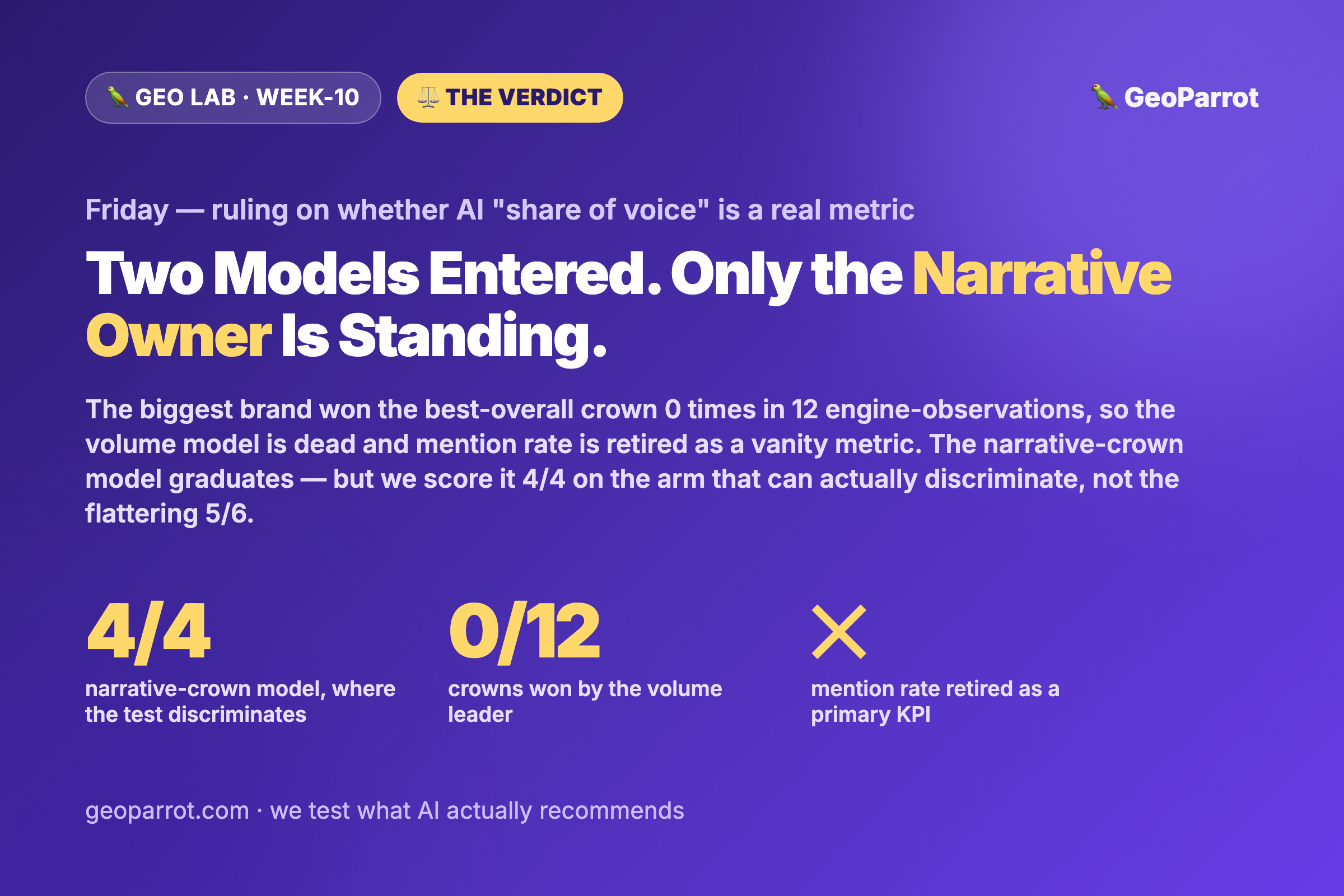
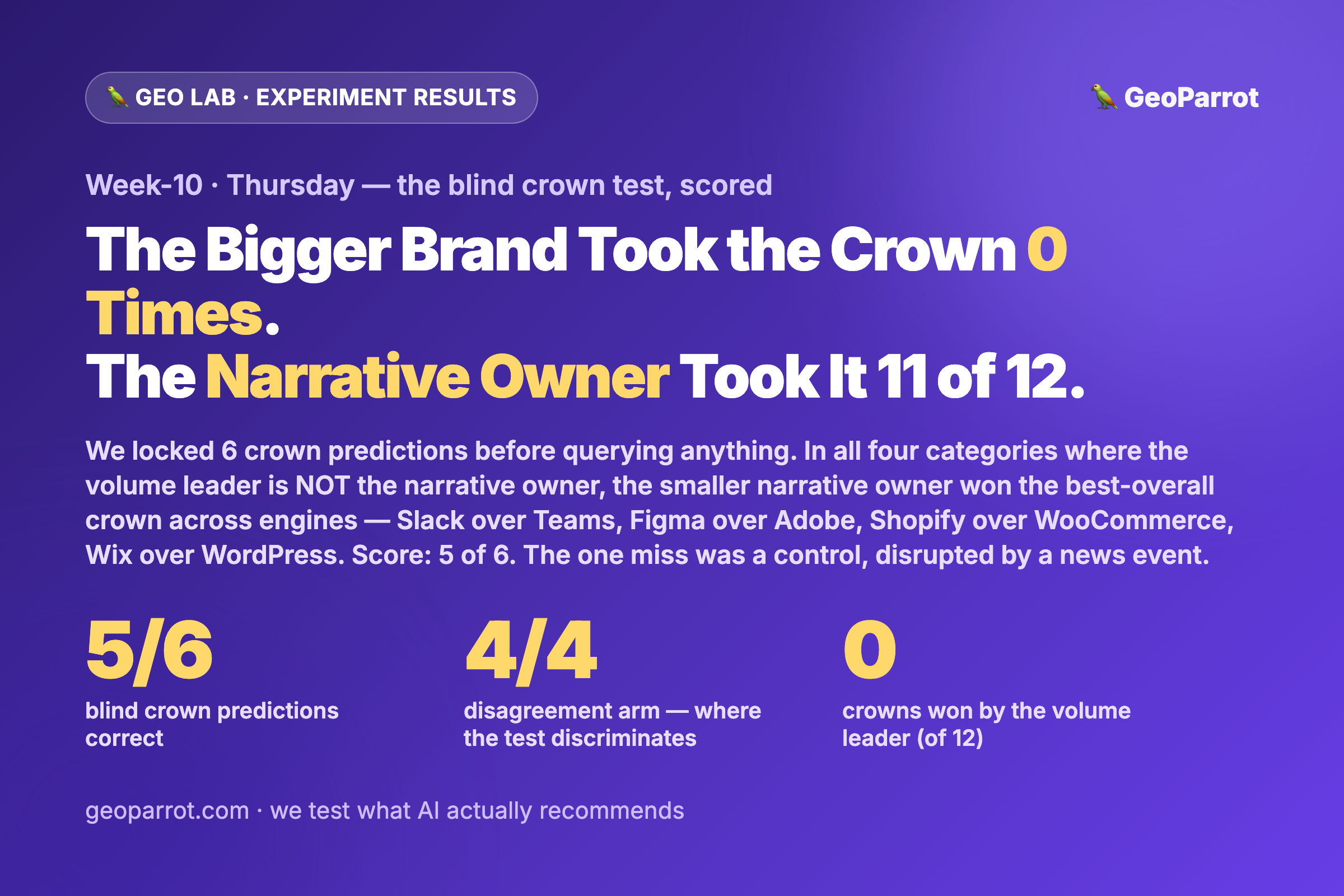
Tracking tools can show whether AI engines cite you, and that market is growing fast. But in our weekly experiments, citation outcomes correlate with content and authority factors, not with any tool subscription. Buy measurement, not magic.


Leave a Reply