
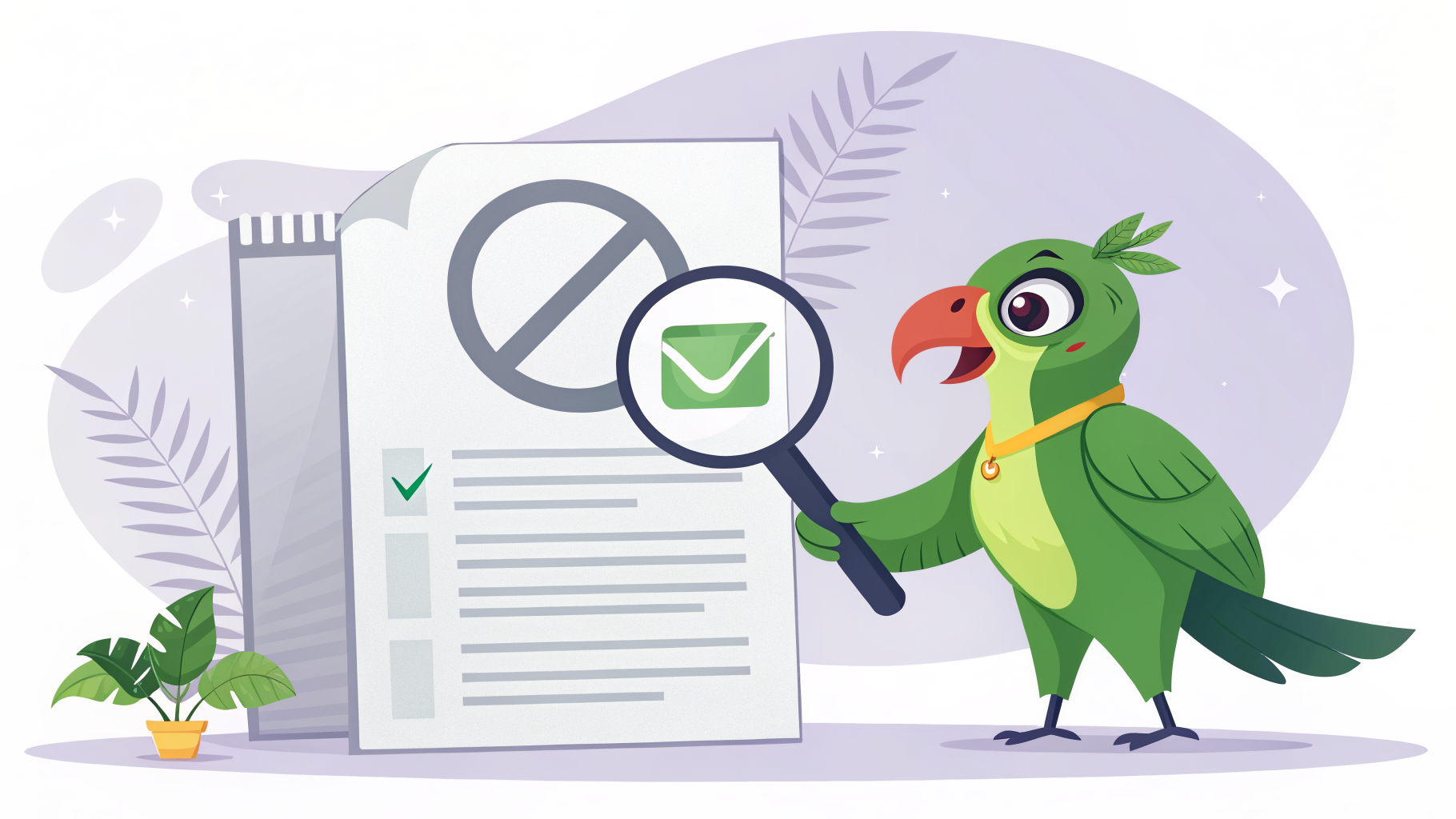
Quick answer: Google has confirmed that Google Search does not use llms.txt and it won’t help your ranking or visibility — a stance echoed publicly by Google’s John Mueller. After months of hype calling llms.txt a GEO must-do, that’s a meaningful reality check. But it doesn’t close the book: the AI answer engines (ChatGPT, Perplexity, Claude) haven’t confirmed whether they use it. For Google, stop expecting llms.txt to move the needle; for everything else, treat it as an unproven experiment.
If you’ve seen llms.txt pushed as the next big thing in AI search optimization, this update matters. Google has now stated plainly where it stands — and it’s not the answer the hype promised.
Still true in 2026: Google’s position hasn’t changed — llms.txt is not a Google Search ranking signal. It can still help some AI assistants locate your key pages, so treat it as optional plumbing, not SEO. If you want one anyway, here’s how to add llms.txt to WordPress the clean way.
What Google said
In updated guidance on AI features, Google indicated that Google Search does not consume llms.txt files, and they do not influence how pages rank or appear. Google’s John Mueller reinforced the point publicly, noting that llms.txt doesn’t help systems distinguish or understand a site in the way proponents claimed. In short: for Google, it’s not a ranking or visibility signal.
Why this matters
Over the past year, llms.txt was widely promoted as a low-effort GEO win — add a file, get understood by AI. Plugins shipped, guides multiplied. An official “we don’t use it” from the largest search engine punctures a lot of that narrative and is a good reminder: in a fast-moving space, hype runs ahead of evidence.
So is llms.txt completely useless?
Not necessarily — and this is the nuance most takes miss. Google’s statement is about Google Search. It says nothing definitive about whether the AI answer engines — ChatGPT, Perplexity, or Claude — read llms.txt when composing responses. Those are different systems with different retrieval pipelines. The honest position today: proven useless for Google, unproven for AI answer engines.
Rather than guess, we’re testing it. We published a real llms.txt on this site and are tracking whether AI engines start citing us for a target query — with timestamped before/after evidence — in our GEO Lab. We’ll report exactly what we find, including if the answer is “nothing changed.”
What to do instead
- Double down on fundamentals: clear structure, answer-first writing, and valid schema do influence how AI systems understand you.
- Build authority and corroboration — mentions and references across the web matter far more than a text file.
- Keep
llms.txtif you like — it’s low-risk and takes minutes — but don’t count on it, and don’t skip the things that actually work.
Frequently asked questions
Should I delete my llms.txt?
No need. It’s harmless and cheap to keep. Just don’t expect Google ranking benefits from it.
Do ChatGPT or Perplexity use llms.txt?
Unconfirmed. There’s no clear official statement either way, which is precisely why we’re running a live test in our GEO Lab.
What actually helps with AI visibility?
Clarity, specificity, structured data, and being a trusted, frequently-referenced source — the unglamorous fundamentals.
The bottom line
Google’s stance is a useful filter: it separates GEO hype from GEO that works. Skip the magic-file thinking, invest in fundamentals — and where the answer is genuinely unknown, test it rather than trust the hype.
Source
Based on Google’s updated AI-features guidance and public comments from Google’s John Mueller, as reported across the SEO/GEO community (June 2026). Paraphrased; see Google Search Central for the primary source.
Related
- How to Add an llms.txt File to WordPress (and whether it helps)
- GEO Lab — we test what AI actually cites
📘 New to llms.txt? Start with our complete guide: What Is llms.txt? A Complete 2026 Guide.
Leave a Reply